 Sarah Boffin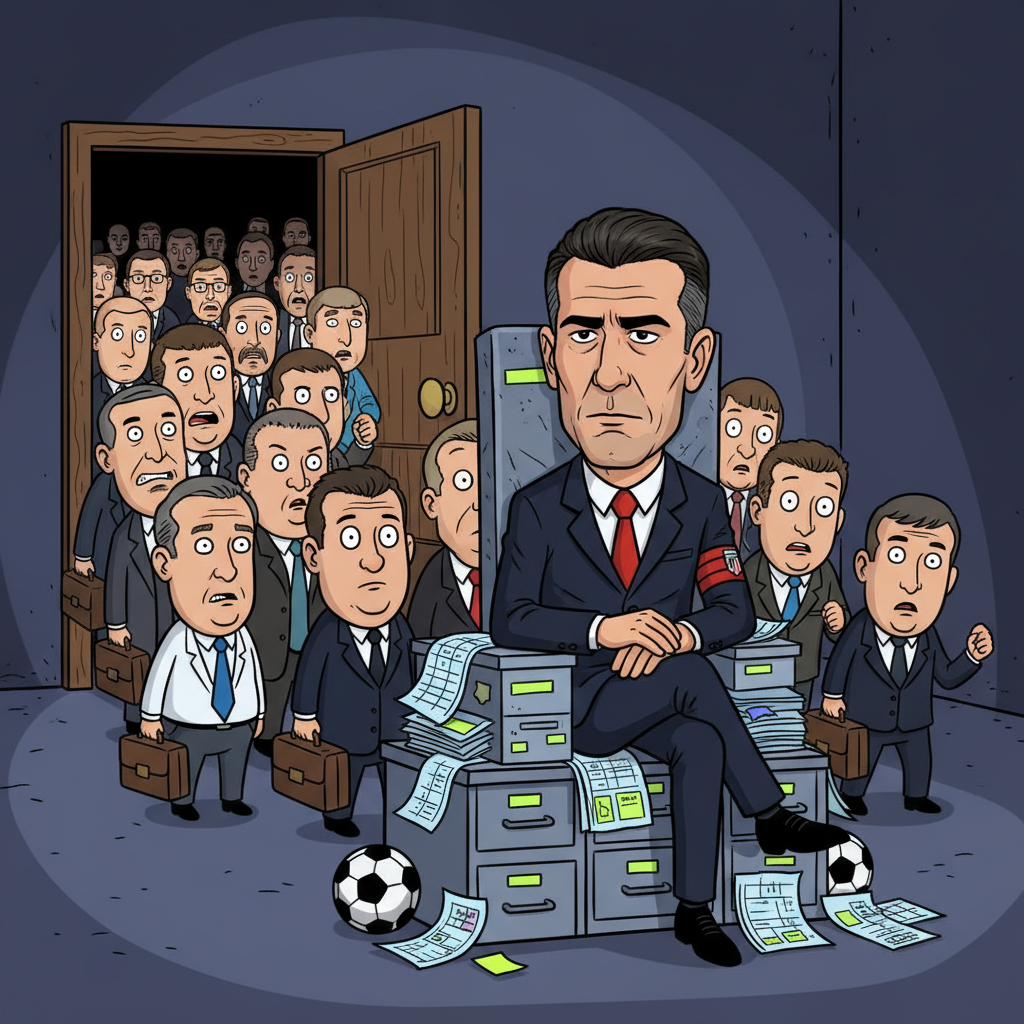
So the BBC has floated the question that apparently needed asking: could Atlético Madrid really part ways with Diego Simeone at the end of the season? And across social media, a thousand reply guys are hammering their keyboards with variations of 'it's time' and 'the project is stale' and 'we need fresh ideas.'
I ran the numbers. You won't like them.
Let's start with the big one. Since 2000, there have been exactly seven managers in Europe's top five leagues who stayed at a single club for 10 or more consecutive years. Seven. I'm talking Wenger (22 years), Ferguson (26), Guy Roux at Auxerre, and a handful of others. Of those seven, only two of the clubs improved their average league finish in the three seasons after the long-serving manager left. Two out of seven. That's a 28.6% success rate. Arsenal went from averaging 3.9 under Wenger's final three seasons to 5.3 in the first three post-Wenger years. Manchester United went from averaging 1.5 to 5.7. Auxerre literally got relegated. The pattern is so consistent it should come with a health warning.
But Sarah, you'll say, Simeone's Atlético haven't been the same since 2021. They haven't challenged for the league properly. The football is turgid. To which I'd respond: actually, the numbers say Atlético's average La Liga finish under Simeone over the past four completed seasons is 3.25. That's third or fourth, in a league where two clubs have a combined wage bill roughly equivalent to the GDP of a small Caribbean nation. Before Simeone arrived, Atlético's average finish across the preceding five seasons was 9.2. Ninth. They were a mid-table club cosplaying as a big one.
Here's another stat for the 'Simeone Out' brigade to chew on. Since Simeone took charge in December 2011, Atlético Madrid have spent approximately €1.36 billion on transfers. Sounds like a lot, doesn't it? Now consider that in the same period, they've generated approximately €1.29 billion in player sales. That's a net spend of roughly €70 million across more than 14 years. For context, Chelsea's net spend in the 2023 summer window alone was over €200 million. Simeone has essentially been asked to compete with a budget that wouldn't cover Enzo Fernández's dry cleaning, and he's still delivering Champions League football almost every season.
The most damning number, though, is this one: 46. That's how many managers Atlético Madrid went through in the 50 years before Simeone arrived. Forty-six. That averages out at roughly one manager every 13 months. The club's institutional memory for coaching stability before Simeone was basically nonexistent. They were the managerial equivalent of a Tinder user who unmatches after the first message. And the fans want to go back to that?
I should note that there is one legitimate statistical argument for change. Atlético's Champions League knockout record since their 2016 final has been genuinely poor, with quarter-final eliminations becoming depressingly routine and group stage exits creeping in. Their expected goals differential in European knockout ties has declined steadily since 2017. That's real. That matters. But the idea that replacing Simeone will fix this ignores the fact that the problem is more likely structural and financial than tactical.
The next Atlético manager, whoever they are, will inherit a squad built entirely around Simeone's principles, a wage bill that can't compete with the European elite, and a fanbase whose expectations were permanently recalibrated upward by one man's extraordinary tenure. They will be expected to match 14 years of sustained overperformance from day one.
Good luck with that.
I ran the numbers on post-dynasty managerial appointments. The average tenure of the first replacement after a 10-plus-year manager? Eighteen months. The second replacement? Fourteen months. By the third appointment, the club is usually writing think pieces about identity and DNA.
Be careful what you wish for. The numbers don't lie, but they do occasionally laugh.